In the consumer cultures of the United States and the United Kingdom, a high annual salary is celebrated as the ultimate symbol of financial success. We assume that anyone earning over $250,000 or £150,000 a year is automatically building massive wealth and locking in long-term financial security. However, out here in the real-world economy, a high income is frequently a dangerous financial illusion. Across major professional hubs, thousands of high earners are caught in a exhausting cycle of financial stagnation. They are trapped on a high-speed corporate treadmill, pulling in significant income while possessing virtually zero real wealth, entirely dependent on their very next paycheck to sustain their lives.
This dangerous phenomenon is driven by Lifestyle Creep and Frictional Consumption. As a professional’s career progresses and their income expands, their baseline lifestyle costs naturally expand right alongside it. The modest apartment is upgraded to a premium residential mortgage, the reliable vehicle is replaced by a high-end luxury lease, and convenience expenses become permanent necessities. Because their social circle shares the exact same high-consumption habits, this behavior feels completely normal. But when your monthly lifestyle overhead requires 95% of your high salary to function, you haven’t built wealth—you have simply built a high-cost financial cage.
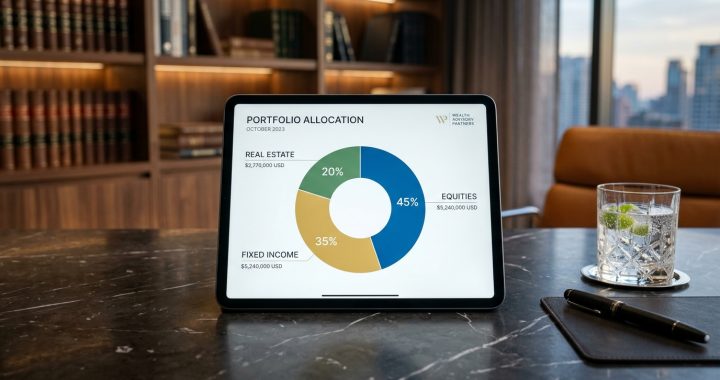
True, sustainable wealth building requires the complete separation of your income from your personal identity. Wealth isn’t the visible car you lease or the luxury watch you display; wealth is the invisible capital quietly compounding inside your investment accounts. To achieve genuine, long-term financial freedom, you must maintain a wide, intentional gap between your rising salary and your baseline living costs. By freezing your operational overhead even as your income climbs, you instantly create a massive capital surplus that can be directed into productive, cash-flowing assets that work tirelessly for your future, ensuring you build genuine wealth rather than just a high-consumption illusion.