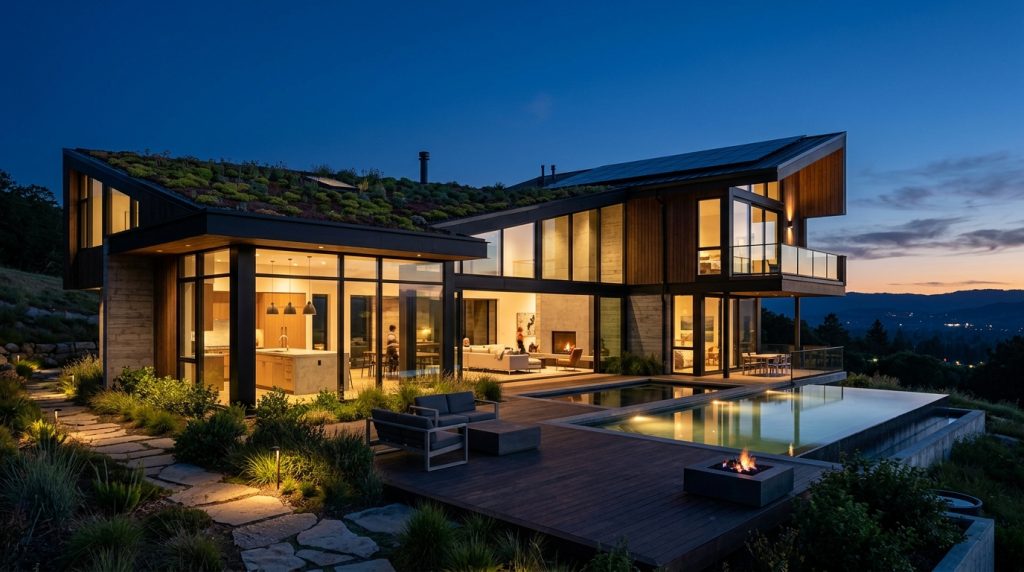
For the vast majority of homeowners in the West, their residential property represents the absolute anchor of their net worth. We meticulously track local real estate indices, clean our living spaces, and invest in high-end aesthetic interior renovations to maximize market appeal. However, as we move through 2026, the underlying metrics of real estate valuation have undergone a massive structural shift across both the USA and UK. Today’s home buyers are highly analytical, utilizing advanced technology to scrutinize properties. Superficial cosmetic staging like fresh paint or premium stone kitchen surfaces is no longer enough. The modern real estate market places the highest premium on a home’s structural efficiency footprint, creating a distinct equity gap between optimized homes and traditional properties.
The primary catalyst behind this valuation shift is the rise of Predictive Utility Accounting. With residential energy costs remaining a top household expense item, modern home inspectors utilize advanced thermal diagnostics and electronic energy flow modeling as standard procedure. A home featuring aging insulation, leaking window seals, or outdated mechanical climate systems is instantly flagged as an expensive long-term financial drain. Savvy buyers routinely use these thermal reports to demand deep price concessions during escrow, viewing unoptimized properties as a major financial liability.
To protect your property asset from this silent equity erosion, you must shift your renovation budget away from purely visual projects and invest in structural efficiency upgrades. Prioritize the elimination of thermal bridging in your attic spaces, upgrade to smart automated climate infrastructure, and ensure your home’s envelope is completely sealed. By transforming your property into a high-efficiency sanctuary, you lock in long-term equity, drastically reduce your own monthly operational bills, and ensure your asset remains highly liquid when it comes time to list it on the open market.